A paint protection film can be described as “TPU” at several points in its journey, but those references do not all describe the same job. A chemical company may make a thermoplastic polyurethane resin; another plant may melt granules and extrude a clear base film; a converter may then add adhesive and a topcoat. Keeping those stages separate makes factory maps and supplier claims much easier to read.
Three stages, three different outputs
| Stage | Typical result | Question to ask |
|---|---|---|
| TPU formulation and resin production | Polymer material, often supplied as granules | Which grade and specification were supplied for this application? |
| Base-film extrusion | A continuous transparent TPU film | Who extruded the film, and to what thickness and optical specification? |
| Coating and conversion | A layered PPF with adhesive and topcoat | Who applied each layer, and which finished-film document covers it? |
The distinction is visible in manufacturers’ own material. In a May 2023 announcement, Covestro said a new Changhua, Taiwan line would make high-performance TPU for PPF grades and introduced its Desmopan UP TPU series. This documents a resin material and its intended application.
Lubrizol’s film-and-sheet selection guide, marked EU-FS-012025, makes the same boundary useful in another way. It lists TPU chemistry, hardness, test results, extrusion conditions and intended applications by resin grade; ESTANE ALR CLC93A-V3 names paint protection film as an application. Such a table can help a processor choose or discuss a material. By itself, the application label does not establish the construction, maker or performance of a finished retail PPF.
Extrusion turns granules into base film
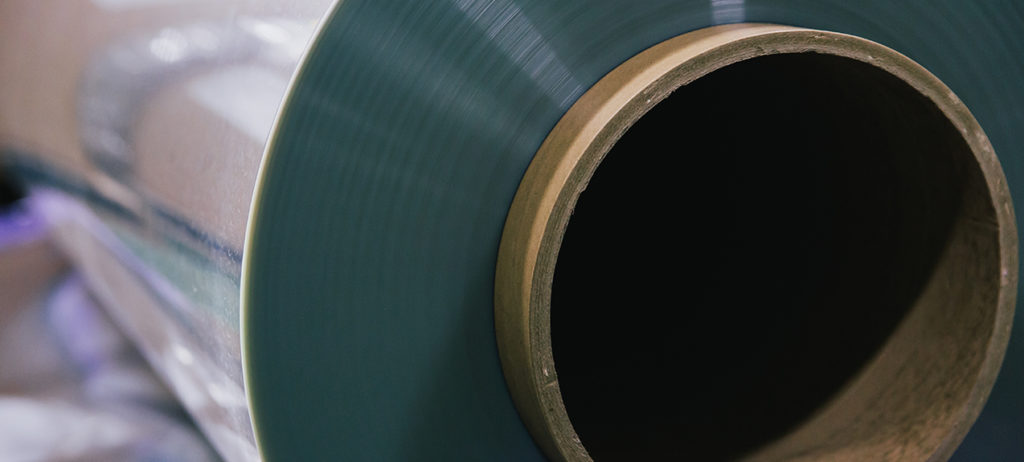
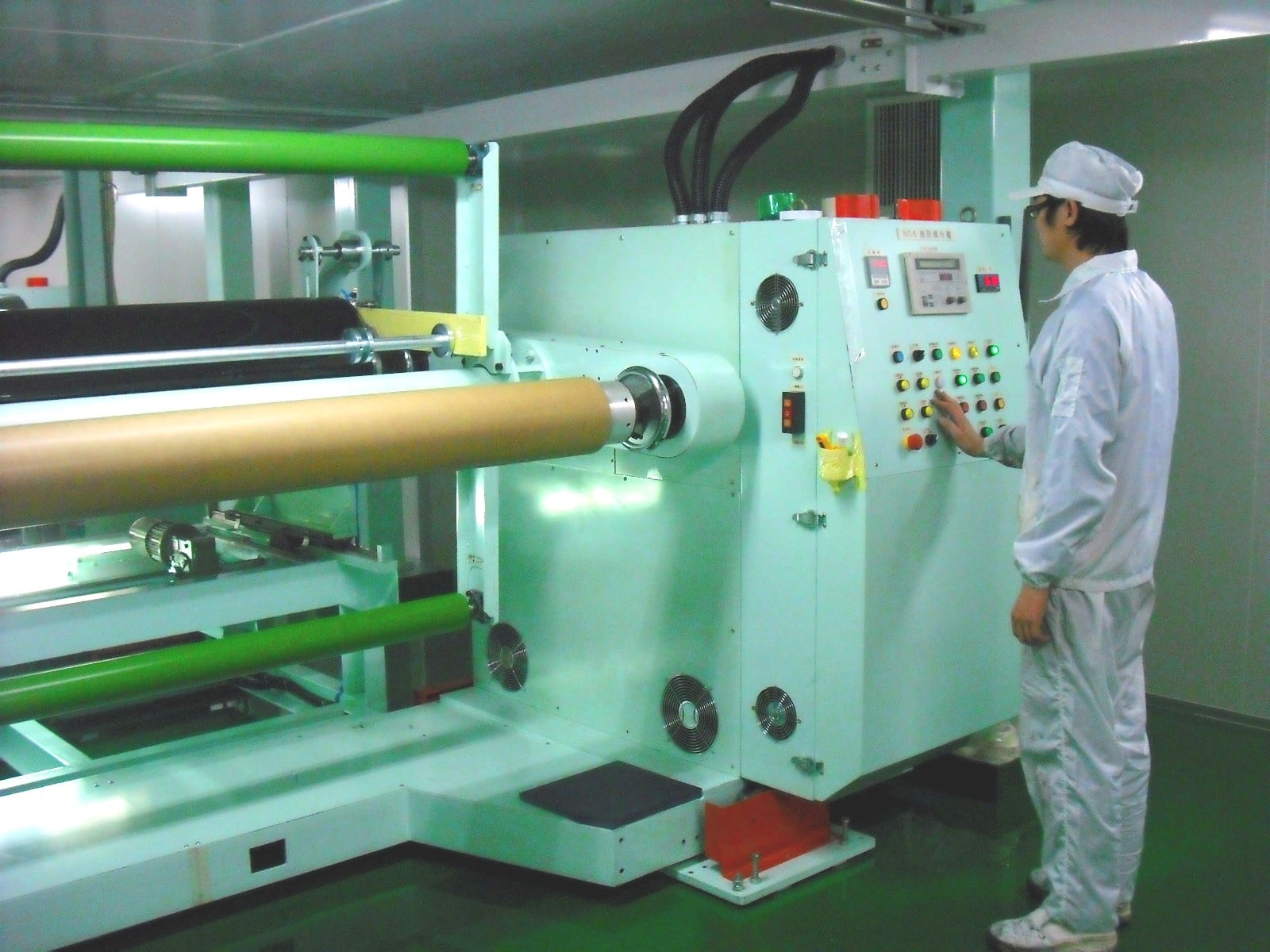
ORAFOL provides a concrete, company-specific example. Its PPF process account says plastic granulate is fed into an extruder, melted and pushed through a die at South Deerfield, Massachusetts, producing a uniform transparent TPU base film. Its current Advanced TPU Films page describes flat-die extrusion and a broad thickness and width range for that division.
Those details support the factory role “TPU base-film extrusion.” They do not mean that every film made at the site becomes automotive PPF, or that extrusion also includes the adhesive and topcoat. A material supplier’s PPF-grade resin claim and an extruder’s PPF-capable film claim should therefore be recorded as distinct evidence.
The finished film adds functional layers
In the same ORAFOL account, base film from its US division is coated at the company’s Oranienburg headquarters in several steps with adhesive and a topcoat. ORAFOL attributes surface properties to the topcoat and installation and removal behavior to the adhesive choice. This documents ORAFOL’s described cross-site process; it is not a universal recipe for every PPF brand.
When a factory map names a role, look for the output of that location: resin, base film, coating, laminating, slitting or finished rolls. When a seller names a TPU supplier, ask for the exact finished-film technical document rather than treating the resin name as a quality grade for the whole product. The manufacturing atlas separates documented plant roles, while the shipment-record guide explains why a cargo description or company name still does not identify every production step.