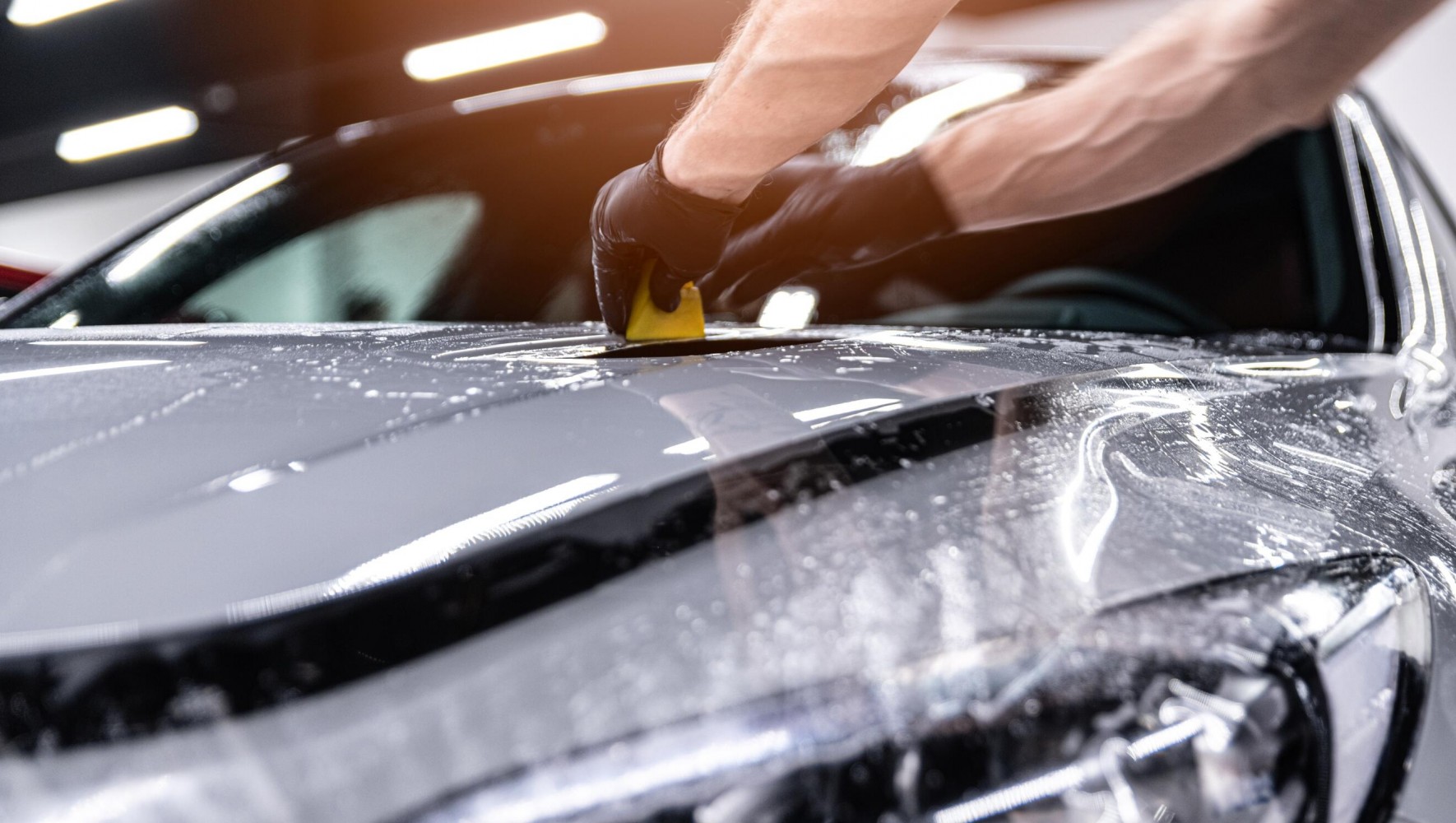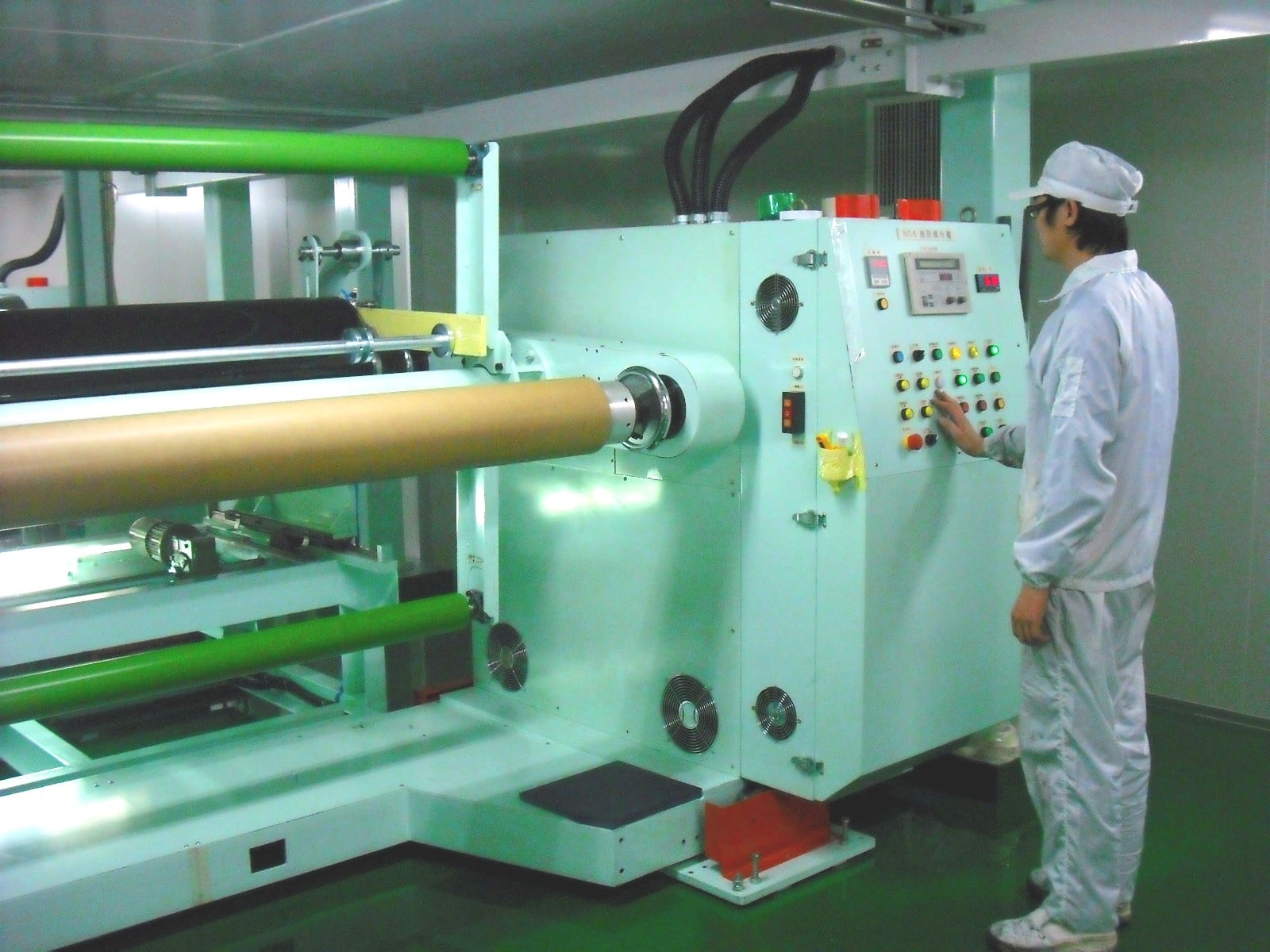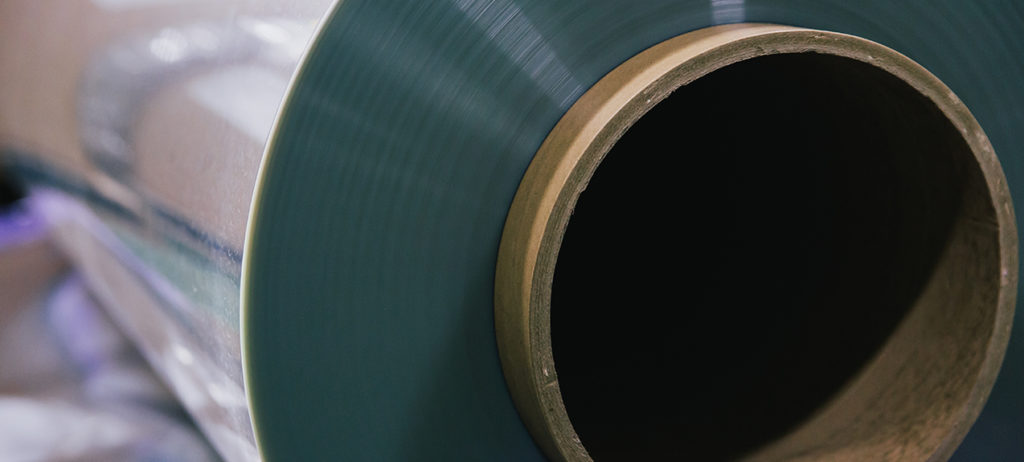
A roll of automotive tint carries a finished-product brand, but the polyester inside it belongs to another part of the story. PET, or polyethylene terephthalate, provides a film material that suppliers can prepare for different optical and processing needs. BOPET is its biaxially oriented form. Toray, for example, markets BOPET specifically for automotive and building window-film applications. Toray’s solar-control application page describes further coating, laminating, metallizing and dyeing steps.
That distinction helps explain why naming a PET supplier is only the start of understanding a tint product. A base-film grade, the work done by a film converter and the finished roll sold to an installer describe different things. Comparing them as if they were interchangeable can turn a useful material fact into an unsupported claim about product quality.
Base film can already have a function
Base film does not always mean plain, clear sheet waiting for every functional layer to be added. SK microworks’ window-film materials include colored, multilayer infrared-control and clear options, alongside films with an in-line silicone coating. The supplied material may therefore already contribute color, an optical function or a release surface.
The word “PET” alone does not identify which of those jobs a material performs. A converter—the business that further processes or combines films—needs the grade and its intended use. For a buyer comparing finished tint, the equivalent starting point is the actual product series and shade, rather than a broad statement about the material family.
Four suppliers, several different jobs
These examples show the range of materials offered for window-film production. They are supplier descriptions of intended uses, not a ranking of finished automotive tints.
| Supplier | Published examples | Function or intended use |
|---|---|---|
| SK microworks | Color Tinted, multilayer IR Cut, Super Clear and in-line siliconized films | Different base-film options for the window market. Product overview |
| Toray Plastics (America) | Lumirror U6W3 and U65V | UV-stabilized PET grades whose applications include automotive window tinting. U6W3 / U65V |
| Mitsubishi Chemical America | Hostaphan 7211A, 7333A, 7333UV and 4375K | Respectively, dyeing, sputtering or vacuum metallizing, UV blocking and a silicone-coated release liner. Application and grade table |
| Polyplex | Sarafil CF31S, CF10S, CF100, UCF31S and UCF10S | PET grades listed for automotive and architectural window-film applications. Window-film portfolio |
The Hostaphan examples make the distinction particularly clear: a film prepared for dyeing, a film prepared for metal deposition and a release liner serve different purposes. The supplier’s portfolio includes materials used in automotive and architectural solar-control applications, but that does not make every listed grade an equivalent starting material.
What converting adds
Converting can involve coating a surface, joining films or adding optical functions. There is no single sequence in the examples above: some functions arrive with the purchased material, while others depend on later processing. Toray’s U6W3 offers a concrete example. Its product description identifies a treated surface designed to reduce iridescence after typical hardcoating and to support adhesion. The surface is prepared with a later operation in mind.
A material specification therefore answers a narrower question than a finished-tint specification. It describes the component being supplied and the application it is designed to support. It does not, by itself, establish the performance of a particular retail product assembled from that material.
How to use a supplier claim when choosing tint
If a sales explanation highlights a well-known PET supplier, ask three follow-up questions:
- Which material is being identified? Ask for the grade and its role, rather than assuming every PET layer has the same function.
- Which finished product does the claim concern? Ask for information tied to the series and shade being quoted.
- What supports the finished-product promise? Compare that product’s specifications and warranty terms, rather than treating a component description as a guarantee for the installed film.
The supplier pages are useful for understanding the choices available to film makers. They do not identify which retail brands buy each grade. A familiar raw-material name can help explain a construction; the evidence for the tint you choose still needs to describe that finished product.