A roll of automotive film can begin several manufacturing steps away from the company selling it. Taiwan offers a useful view of those different roles: Covestro describes TPU production for paint protection film in Changhua; Nan Ya and Shinkong list polyester films for window-film applications; Top Colour documents the coating and sputtering capabilities behind its window-film business.
Read together, these examples show why a supplier’s place in production matters as much as its catalogue. Resin, base film and a finished self-adhesive roll answer different purchasing needs. The companies below illustrate those stages; they are not a documented supplier-to-customer sequence.
| Stage | Company | What it means |
|---|---|---|
| TPU resin | Covestro | Material for making PPF |
| PET base film | Nan Ya; Shinkong | Substrates with window-film applications |
| Film conversion | Top Colour | Coating, tinting and sputtering capabilities |
Changhua’s role starts with TPU
In its May 2023 announcement, Covestro described a new line at its existing Changhua site producing high-performance thermoplastic polyurethanes for use in PPF. It also introduced the Desmopan UP TPU series.
That places Changhua at the material stage. The announcement concerns TPU used to make protective film, rather than a finished automotive-film roll ready for installation. For a buyer discussing PPF, the useful follow-up is which resin grade, film producer and finished product the quotation covers. The PPF material-chain guide explains those production roles in more detail.
PET suppliers describe the substrate
Nan Ya’s TAIRILIN industrial PET page lists window film among applications alongside tapes, labels and release film. Its product families include standard, primer-treated, matte, white and black films. This is a materials catalogue: the window-film application does not turn every listed grade into finished automotive tint.
Shinkong provides a more specific selection point. Its SHINPEX BOPET table identifies Type U with a UV-cut property, a thickness range of 23–188 micrometres, and solar-film and window-film applications. Type H, at 12–188 micrometres, is described as low-haze and highly transparent, with solar film among several uses. These are substrate descriptions, not complete tint specifications. Ask which grade and thickness a proposed construction uses before comparing the finished product’s optical performance.
Top Colour shows the conversion stage
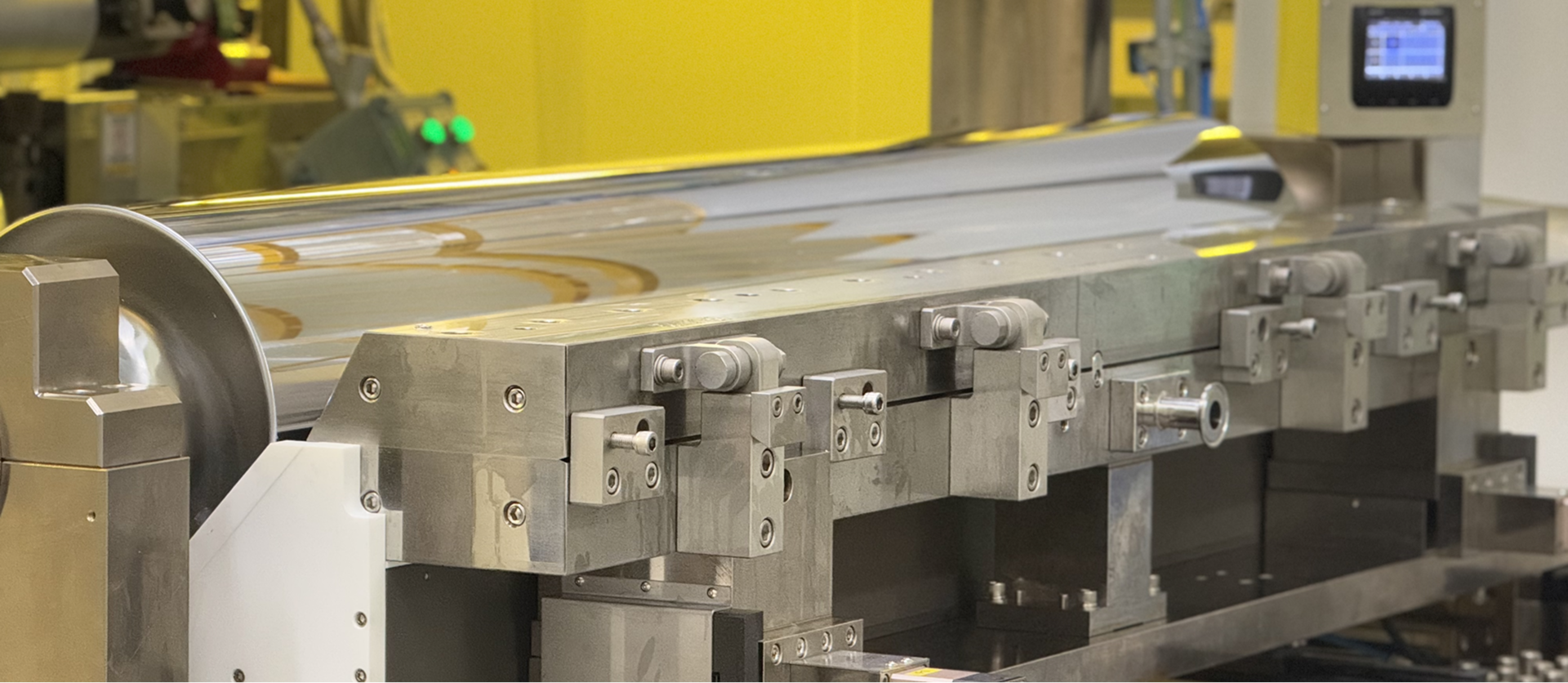
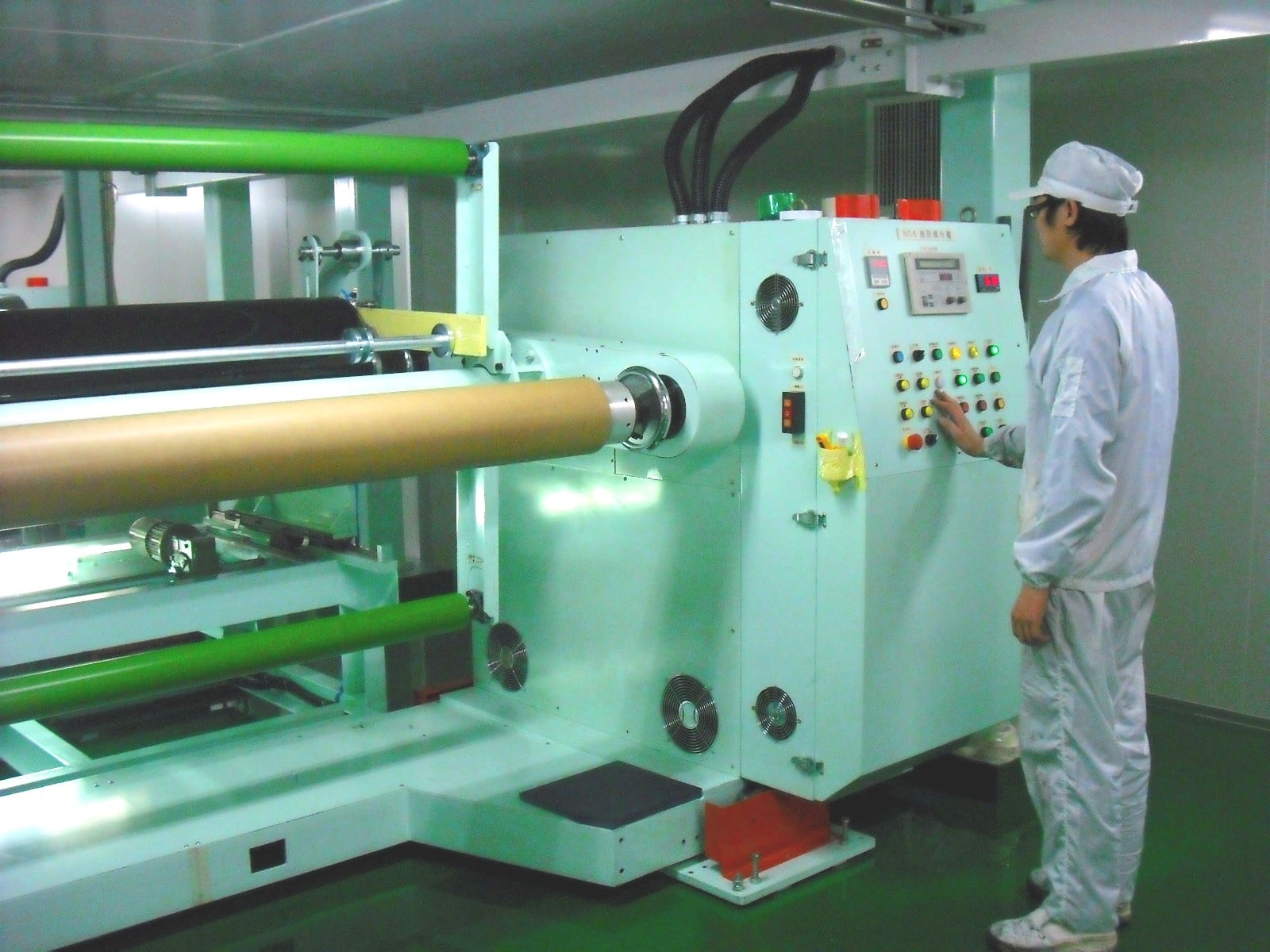
Top Colour’s company history dates its automotive and architectural solar-control film production to 1989. It records a Guishan factory in 1994 and the Douliou factory in 2009, followed by a new Douliou sputter facility and advanced coating systems in 2016. Its company-wide process list includes dyeing, print coating, glue tinting and sputter metalizing.
Its R&D page adds a practical commercial distinction: Top Colour offers OEM and ODM work and says it can adjust colour, visible-light transmission, UV rejection and infrared rejection to customer requirements. Those capabilities make the agreed product specification important. A shared manufacturer name alone does not establish that two branded films have the same construction or performance.
Turn the map into better questions
Start a sourcing conversation with the item being purchased: resin, a PET substrate or finished film. Then request its exact grade, thickness, processing stage and specification sheet. For a finished automotive product, keep the quoted performance figures with their measurement conditions and the agreed acceptance criteria.
The Taiwan manufacturing map locates Covestro Changhua and Top Colour’s Guishan and Douliou sites. Use those locations to orient the discussion, then confirm which facility and process apply to the proposed order. That connects a manufacturing claim to a product a buyer can actually assess.