
Window tint
What the tint numbers tell you.
Separate VLT, TSER and infrared figures, then follow a worked 3M example showing why the wavelength range and test sample belong beside every percentage.
Begin with the figures attached to the exact film you are considering. Use a published product example and a quotation checklist to organize the comparison, then explore the materials and technology behind the headlines.
Learn how to compare tint measurements, then follow a Nexfil Majestic example that separates each window’s specifications and quoted coverage.
Separate VLT, TSER and infrared figures, then follow a worked 3M example showing why the wavelength range and test sample belong beside every percentage.

Keep the front and side specifications separate, then add the published installation charges for your chosen coverage.
Explore ceramic, carbon and other tint families before choosing the exact film for your quotation.
Ceramic and carbon tint families in SunTek’s Asia-Pacific English catalogue.
LX and Vogue tint examples from Solar Gard’s Korean catalogue.
Compare the published VLT and TSER of Carbon Extreme, Max Cool IR and Max IR grades.
Five tint series: dyed, carbon and ceramic constructions, with published TSER ranges across grades.
Bring the film, installation scope and service terms together with the quotation checklist and printable comparison sheet.
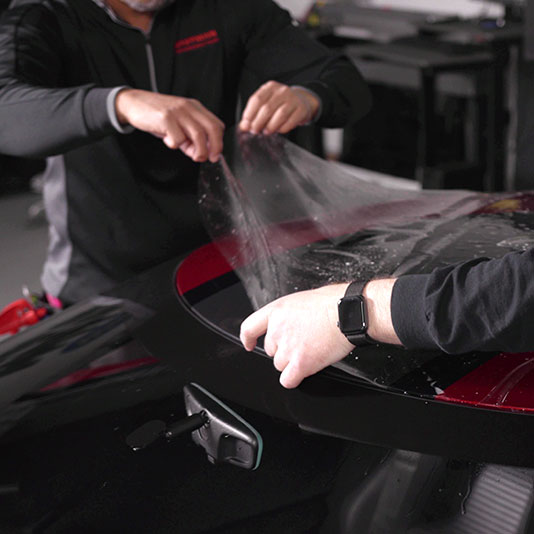
Use one checklist for film, coverage, preparation, handover and the final installed price.
Read about PET’s role in window film and the different stages of Hyundai’s cooling-film reporting.
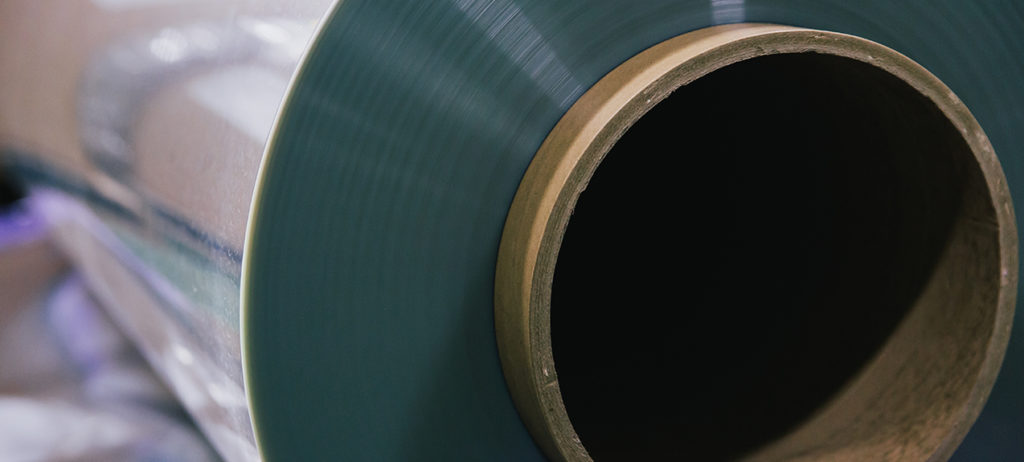
Base film, converting and finished tint describe different parts of a product. Official grade examples from four suppliers show why a familiar PET name does not tell the whole story.

Hyundai plans to monitor two Seoul police buses. Separate the new installation from earlier demonstrations before comparing cooling claims.