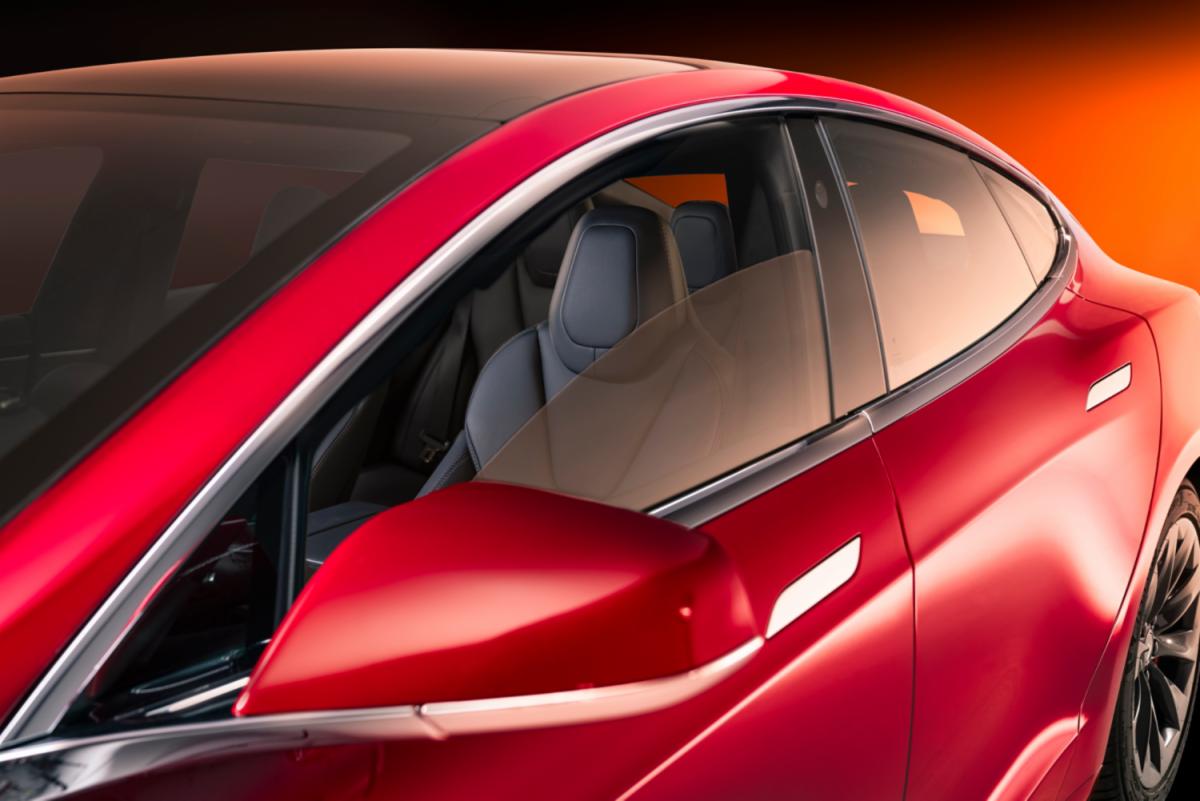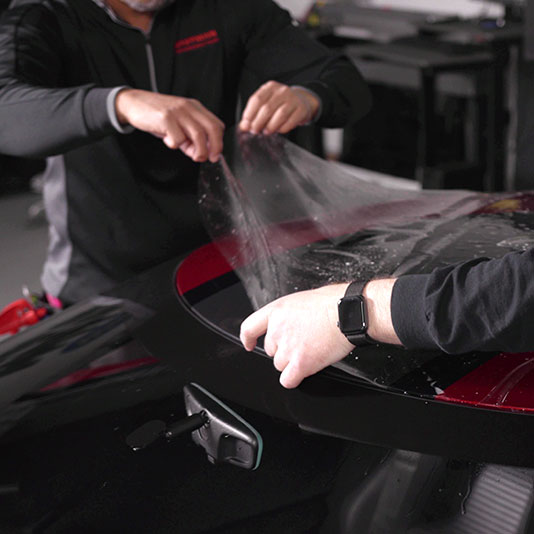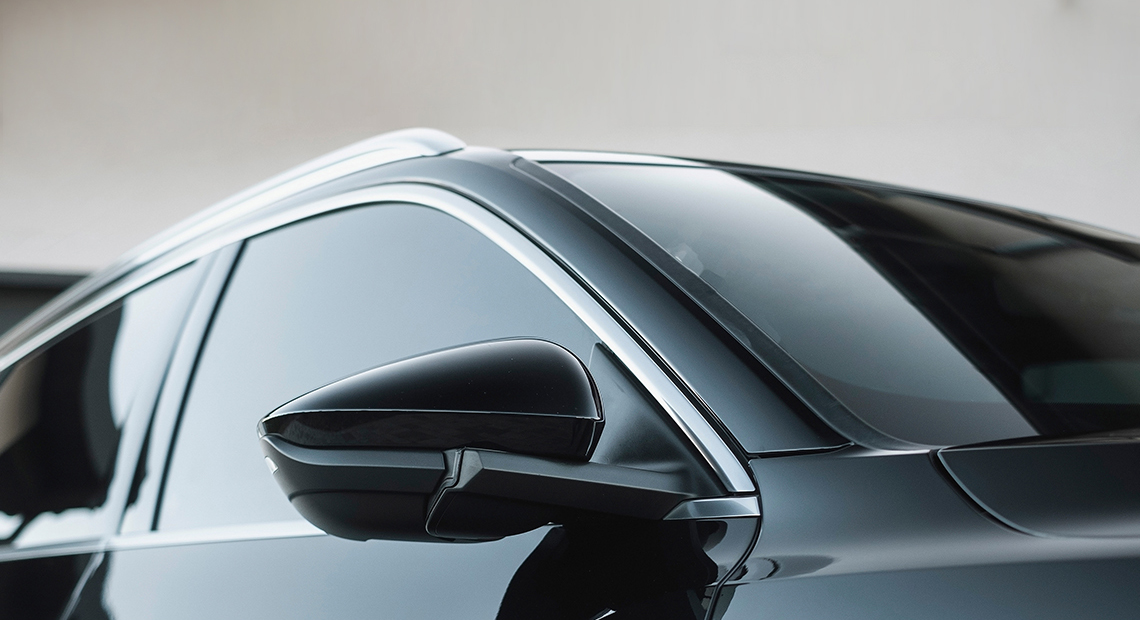
KaltWin KX and KR offer different approaches to window tint: KX is described as non-metallic nano-ceramic, while KR uses a reflective sputtered-metal construction. Choosing between them involves more than comparing the largest heat-rejection number. The exact grade changes how much visible light passes through, and the two ranges do not offer identical published VLT values. KX · KR
Start with the grade, not the series maximum
The grade suffix is not the exact published visible-light transmittance. KX 35 lists 34% VLT, for example, while KR 30 lists 27%. Put the full grade and its VLT on the quote so that a change of film is visible before installation.
| Grade | VLT | TSER | IRR |
|---|---|---|---|
| KX 05 | 6% | 68% | 90% |
| KX 15 | 12% | 64% | 90% |
| KX 35 | 34% | 52% | 85% |
| KR 10 | 11% | 64% | 85% |
| KR 30 | 27% | 55% | 74% |
These are KaltWin’s published figures. Both tables specify ¼-inch clear glass and EDTM equipment, and state that measurement conditions can produce 3–5% variation. They do not identify the IRR wavelength range. IRR and total solar energy rejection (TSER) describe different quantities; an IRR figure should not be read as the percentage of all solar heat rejected. The tint-specification guide explains what to ask about test conditions. KX specification table · KR specification table
KX 15 and KR 10 are the closest published VLT pair: 12% and 11%. Both list 64% TSER, despite different IRR figures. KX 35 and KR 30 are further apart at 34% and 27% VLT, so their 52% and 55% TSER figures do not establish a comparison at the same light transmission.
Compare reflection and colour on glass
KaltWin describes KX as a pure-black, non-metallic nano-ceramic film. KR’s page describes a nickel-and-chromium reflective metal layer applied through sputtering. Its published VLR figures are 21% for KR 10 and 16% for KR 30; KX lists 6%, 6% and 7% across its three grades. The table labels this column “IN/OUT” without separate values for each side. KX construction and appearance · KR construction and reflection
Ask to see the proposed grade on a glass sample from both sides. The official shade illustrations are examples, and KaltWin notes that screen appearance may differ from the actual film. A sample check is especially useful when deciding whether a reflective exterior suits the car.
Separate film coverage from installation defects
Both pages advertise a seven-year quality warranty, but limit installation-defect coverage to three months after installation. They require an installer-issued certificate that identifies the product; missing paperwork, or a handwritten certificate that prevents identification, can exclude coverage. Listed exclusions include natural disasters, customer negligence and intentional damage. KX warranty notes · KR warranty notes
Before paying, confirm the grade for each window, the appearance you selected and how to obtain the certificate. Ask the installer which written terms govern a film defect versus an installation problem, and keep those terms with the invoice.